
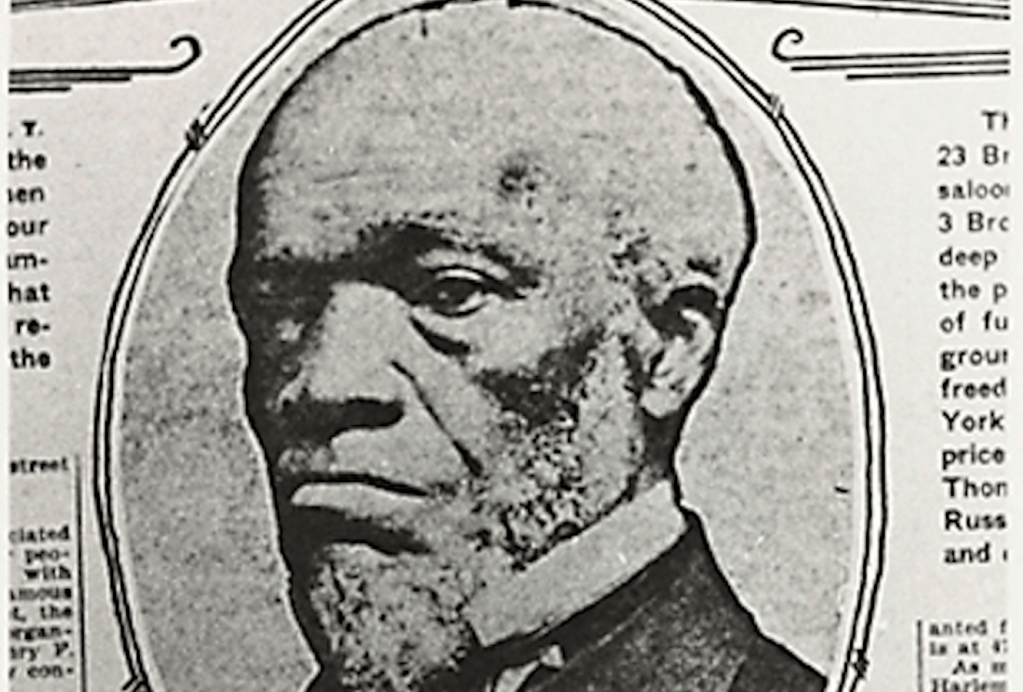
Four decades before the Emancipation Proclamation, a free African American opened a restaurant in New York City in 1825, catering to an upscale white clientele. New York had already passed a gradual emancipation law in 1799, which would abolish slavery in the state by 1827. During this era, Thomas Downing established one of the most successful restaurants in New York City, earning him the nickname “the Oyster King.”
Thomas Downing was born in 1791 in Chincoteague, Virginia, to parents who were free African Americans. He learned the oyster trade at a young age, a skill that would later become the foundation of his success. After moving to New York City in 1819, Downing worked as an oysterman, harvesting and selling oysters. At the time, oysters were affordable and popular, and consumed by all classes of people.
Recognizing a golden opportunity, Downing boldly launched an oyster cellar in the heart of Manhattan near Wall Street. Located at 5 Broad Street, Downing’s Oyster House welcomed both black and white patrons. It was a gathering spot for New York’s social elite while serving as a discreet meeting place for abolitionists and the Underground Railroad.
Downing’s Oyster House combined fine dining, business networking, and social activism in a way that was unique for its time. Even today, there are many lessons that African American entrepreneurs can learn from Thomas Downing. His ability to establish a strong brand, succeed in the face of adversity, and use his business as a platform for social change makes him a significant figure in American history.
Establishing a Strong Brand
Downing’s ability to establish a strong and trusted brand allowed his business to thrive in an environment with limited advertising for black business owners. His brand was developed through word of mouth and focused on creating a high-end dining experience with impeccable service, high-quality oysters, and an elegant atmosphere.
High Standards of Service: Downing was known for his impeccable service, catering to the refined tastes of his patrons. His attention to detail in preparing and serving food earned the restaurant an exceptional reputation.
Quality Oysters: As an oyster house, Downing’s oysters were the main attraction. At the time, oysters were plentiful in New York Harbor and a popular delicacy across all social classes. Downing prepared his oysters in a variety of ways, including raw, fried, stewed, and roasted. His menu featured a variety of seafood delicacies such as clams, lobsters, and fish, served with sides of bread, salad, and fine beverages.
Elegant Atmosphere: Like many oyster cellars of the time, Downing’s Oyster House was located in a basement. However, the restaurant was tastefully decorated, setting it apart from the rougher, less refined oyster bars prevalent throughout the city. The interior was adorned with polished wood furnishings, gas lighting, and elegant tablecloths, creating an atmosphere of luxury and sophistication.
Building Success in the Face of Adversity
Thomas Downing operated his business at a time when African Americans faced racism in every aspect of life. Although his oyster cellar was highly regarded by New York’s white social elite, Downing faced significant barriers as a black entrepreneur, including racial prejudice, limited economic rights, discriminatory property laws, higher taxes, vandalism, segregation, and personal safety threats. His ability to overcome adversity was rooted in strategic thinking, resilience, and his capacity to navigate racial prejudice.
Strategic Thinking: Downing carefully selected the location for his oyster cellar, placing it in the heart of New York’s financial district. Its proximity to Wall Street made it a hot spot for the city’s business elite and power brokers, who came for the food and the opportunity to make business connections. Locating the restaurant near Wall Street helped him to attract and retain a prestigious clientele.
Resilience in the face of Racism: Despite the deeply entrenched racial segregation of the time, Downing resisted demands to segregate the restaurant. When asked to open a second entrance for his black customers, Downing declined. He also refused to serve individuals who were known supporters of slavery, regardless of their social or political status. Downing was committed to creating an inclusive environment that catered to the equal treatment of all people.
Navigating Racial Prejudice: Downing succeeded in part by building solid relationships with influential white businessmen who frequented his establishment. Despite being owned by an African American in a time of pervasive racial discrimination, Downing’s Oyster House was considered a prestigious place to dine for the city’s white social elite. The restaurant attracted some of New York’s wealthiest and most influential figures of the day, including wealthy white businessmen, financiers, lawyers, and politicians, who were regular patrons.
Business as a Platform for Social Change
In July 1835, New York City experienced violent anti-abolitionist riots. Mobs attacked abolitionists, African Americans, and institutions supporting the abolitionist cause. Despite the risks, Thomas Downing was deeply connected to the abolitionist movement. In the cellar of the oyster house was a hidden station of the Underground Railroad where he and his family secretly aided enslaved people fleeing the South, offering shelter and assistance on their journey to freedom.
Downing’s Oyster House was also a discreet meeting place for abolitionists. Downing worked with abolitionists to support efforts to secure equal rights for African Americans and advocated for the desegregation of New York City’s public transportation and public spaces. He was a founding member of the Committee of Thirteen, an organization dedicated to protecting free black people from being kidnapped and taken back into slavery.
Downing used his wealth and influence to uplift the black community, specifically in the area of education. He played a key role in founding the first public school for Black children in New York City, offering them educational opportunities during a time when they were denied formal education.
Conclusion
Thomas Downing’s success in the oyster business made him one of the wealthiest people in New York City during the pre-emancipation era. His wealth and commitment to the Black Community allowed him to aid escaped slaves on the Underground Railroad, support the abolitionist movement, and fund public schools for black children.
Downing not only built a successful business but also passed down generational wealth to his son, George Downing. After Thomas passed, George took over the business and managed the restaurant for many years and became a prominent businessman and civil rights activist in his own right.
Thomas Downing passed away the day after he was officially made an American citizen with the passing of the Civil Rights Act of 1866. He was so respected in the state of New York that the Chamber of Commerce closed the day he died, and his wake was mentioned in the New York Times.
The story of Thomas Downing demonstrates how determination, excellence, and a commitment to community can overcome even the most daunting challenges. Downing’s life is a powerful testament to the impact that African American entrepreneurs can have in today’s society. They not only build successful businesses but also advance social justice and create lasting legacies.




 Othello
Leave a comment